Drag usually involves cross-dressing. A drag queen is someone (usually male) who performs femininely and a drag king is someone (usually female) who performs masculinely.
Drag uses clothes and other aspects of performance to create heightened versions of masculinity, femininity and other forms of gender expression. It is rooted in acceptance and resilience and is an artform that represents freedom of expression and resistance to unjust forces.
Drag is a type of entertainment where people dress up and perform, often in highly stylized ways. The term originated as British theater slang in the 19th century and was used to describe women’s clothing worn by men.
drag (third-person singular simple present drags, present participle dragging, simple past and past participle dragged) (informal, intransitive) To perform as a drag queen or drag king.
To drag something means to physically pull it, like when you drag your sofa to the other side of the living room in order to get a better view of the TV. Drag can also mean to prolong something. In this case, drag is often followed by the words "out" or "on."
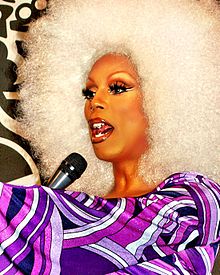 Drag usually involves cross-dressing. A drag queen is someone (usually male) who performs femininely and a drag king is someone (usually female) who performs masculinely.